Before and after the show
Kanda and Akihabara around the show
How to fit the Kanda Myojin samurai show into a wider evening: Akihabara's Electric Town, Edo-era Kanda, a shrine that blesses gadgets and nearby sights.
Book the samurai night ↗Quick answer
Kanda Myojin sits between old Edo and electric Tokyo: the shrine's address is part of Akihabara, and it sells charms for electronic devices. Before the show you can look around the shrine grounds and Akihabara's Electric Town, which grew from a post-war black market into a centre of electronics and otaku culture. Shop hours vary, so check them on the day, and treat the show as the fixed point.
Where Kanda sits
Kanda was a separate ward until 1947, when it merged with Kojimachi to form today's Chiyoda. With Nihonbashi and Kyobashi it forms the core of Shitamachi, the original downtown of Edo and Tokyo, long before Shinjuku and Shibuya grew into centres. The shrine's address, Soto-Kanda, is listed as part of Akihabara, which explains why a 1,300-year-old shrine sits a short walk from one of the world's best-known electronics districts.
Akihabara in one paragraph
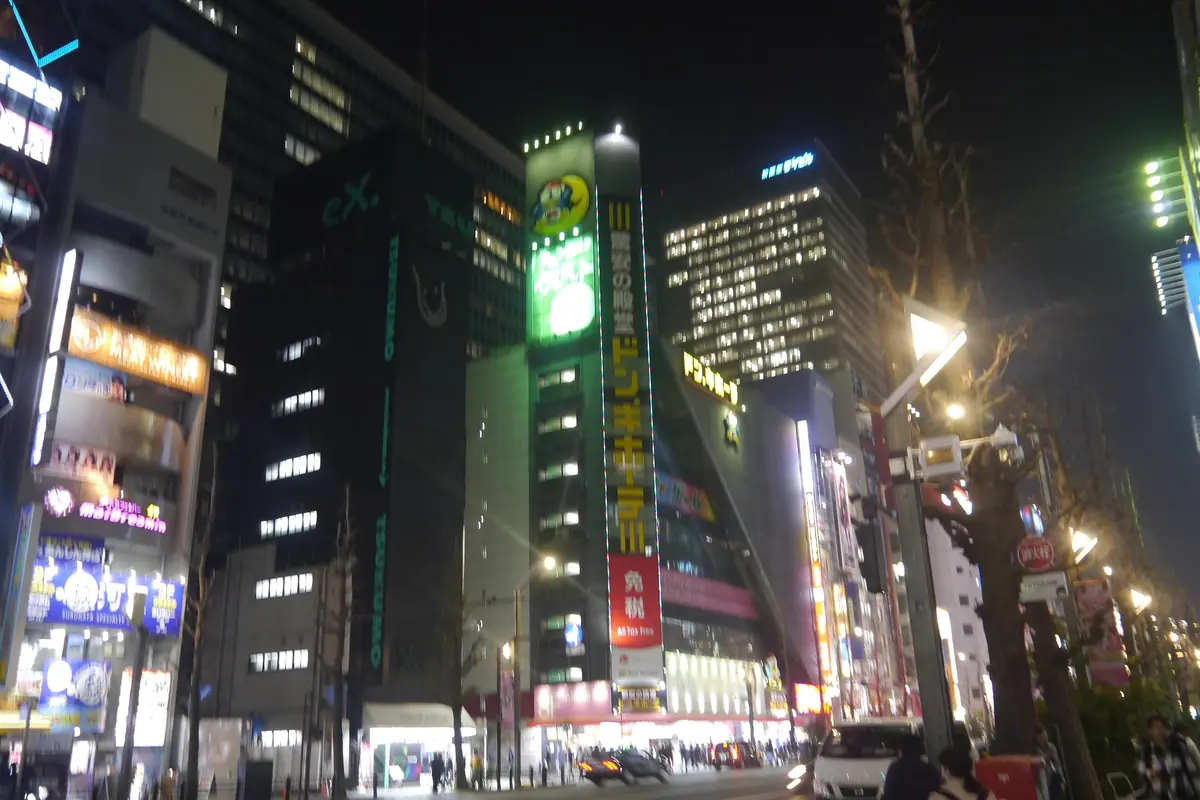
The name comes from Akiba, a fire-controlling deity honoured at a shrine built after a fire destroyed the area in 1869. After the Second World War a black market grew here, and in the 1950s the district became known for household electronics, which earned it the nickname Electric Town. In the 1980s the shops shifted towards home computers and a new crowd of enthusiasts, the otaku. Today the area is also known for video games, anime, manga, maid cafes and arcades.
A shrine that blesses gadgets
Because Akihabara is so close, Kanda Myojin sells talismans specifically for protecting electronic devices. Its own pages describe an IT information safety charm, designed like a machine, that comes with a sticker for a computer. The shrine also works with anime and video games: visitors will see ema, the wooden wish plates, with cute designs. In 2015 the shrine named a character from the anime Love Live! School Idol Project as its mascot. It remains a working shrine, and a place of worship.
Zenigata Heiji and Edo Kanda
Kanda has a famous fictional constable. Zenigata Heiji, from Kodo Nomura's novels, patrols the district in the Edo period, and each story ends with him beating the villain by throwing a coin. The shrine's grounds hold a monument to him shaped like an old Kan'ei Tsuho coin. The monument is one of dozens of items on the shrine's grounds map, so you can find it by looking for the coin shape.
Yushima Seido and other stops
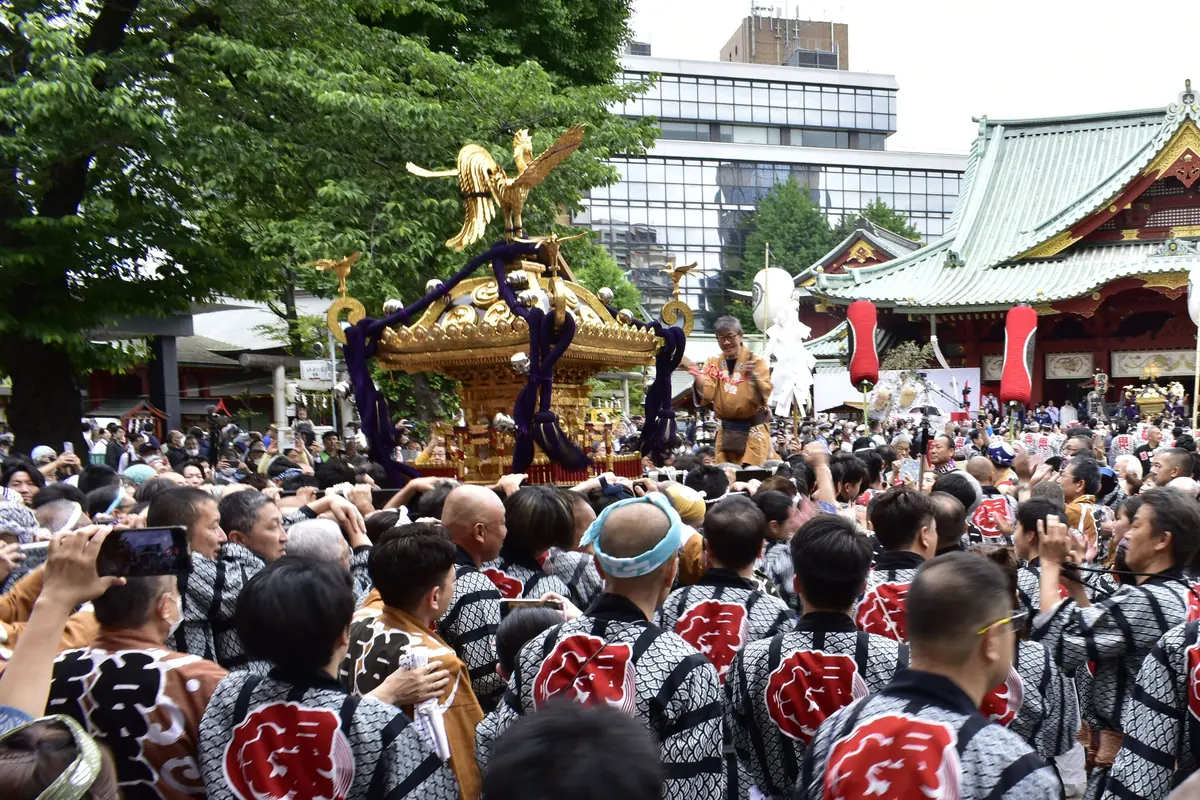
The Yushima Seido, a Confucian temple that began as an academy, is listed among Kanda's sights, although it stands in Yushima, in Bunkyo ward. Its present building was completed in 1935, and the grounds have been a National Historic Site since 1922. Jimbocho, described as the largest bookstore district in Japan, and the Tokyo Resurrection Cathedral, built by Nicholas of Japan, are also in Kanda. Opening hours differ, so check each place on the day. For the shrine itself, the Kanda Matsuri festival, held every other year in May, fills the streets around it.
Planning around the ticket
The ticket is a block of about three hours, and food and drink service ends before the performance begins. That makes the evening a fixed unit, so choose what you do before it or after it, not in the middle. Use the daylight for the shrine grounds and Akihabara, then come back to the basement for the booking time shown in your confirmation. If you would rather not carry shopping into the hall, coin lockers and a front desk are available.
Read next: Kanda Myojin show: how to get there
Frequently asked questions
Is the shrine part of Akihabara?
Its address, Soto-Kanda, is listed as part of Akihabara, and the Electric Town exit of Akihabara Station is about seven minutes away on foot.
Why does a shrine sell gadget charms?
Kanda Myojin is close to Akihabara's electronics shops, so it sells talismans to protect electronic devices, including an IT charm that comes with a sticker for a computer.
Can I visit the shrine without a ticket?
Yes. The shrine's grounds are open, and visitors may enter by any approach. The show is a separate ticketed production in the basement of the cultural centre.
Sources